









Expert MRI Data Breach: Over 209,000 Patients’ Medical and Personal Data Exposed Featured
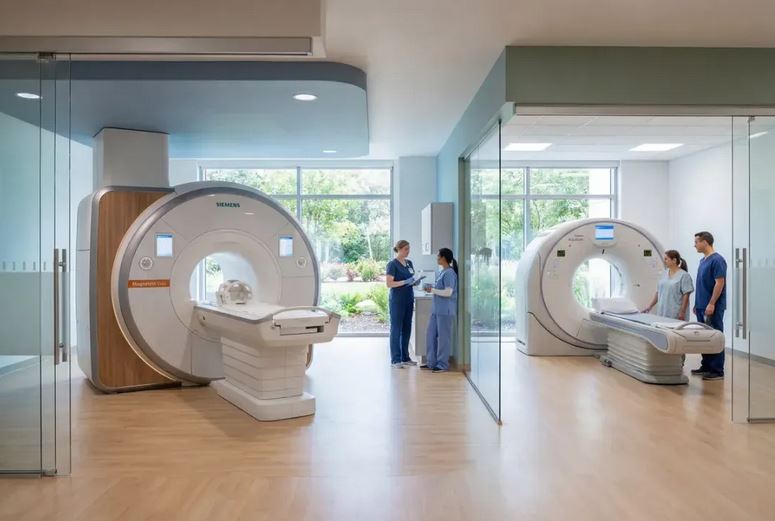
A ransomware attack on Expert MRI may have exposed highly sensitive patient records—including Social Security numbers and medical information.
The Expert MRI data breach has raised serious concerns after a cyberattack exposed the sensitive personal and medical information of more than 209,000 patients.
Expert MRI, a California-based diagnostic imaging provider, reported that unauthorized actors gained access to its network and copied files containing highly sensitive data. The Expert MRI data breach is believed to have occurred between August 14 and August 24, 2025, although earlier reports suggest unauthorized access may have begun as early as June 2025.
What Happened in the Expert MRI Data Breach?
The incident was first detected on September 2, 2025, when the company identified suspicious activity within its systems. An investigation later confirmed that cybercriminals accessed and exfiltrated patient data stored on network servers.
Shortly after, a ransomware group known as PEAR claimed responsibility for the attack and alleged that it had stolen approximately 617 GB of data, which was later posted on the dark web.
This type of attack—commonly referred to as a hacking or IT incident—is particularly serious in the healthcare sector, where large volumes of sensitive patient data are stored in centralized systems.
What Information Was Exposed?
The Expert MRI data breach may have involved both personally identifiable information (PII) and protected health information (PHI).
The exposed information may include:
- Names
- Addresses
- Dates of birth
- Social Security numbers
- Driver’s license or government ID numbers
- Medical diagnoses
- Treatment information
- Admission dates and medical records
Because this breach involves both identity data and medical information, it presents a heightened risk of fraud and identity theft.
Why This Breach Is Especially Serious
Healthcare data breaches are among the most dangerous because they expose not only financial identifiers but also deeply personal medical information.
According to breach disclosures, the compromised data originated from network server systems, which often store large volumes of patient records.
As a result, affected individuals may face risks such as:
- Identity theft and financial fraud
- Medical identity theft
- Insurance fraud
- Unauthorized use of personal health information
In addition, cybercriminals may use stolen data to create detailed identity profiles, increasing the likelihood of long-term misuse.
What You Should Do After the Expert MRI Data Breach
If you received a notice from Expert MRI or believe your information may have been exposed, you should take steps to protect yourself:
- Monitor your credit reports for suspicious activity
- Place a fraud alert or credit freeze with major credit bureaus
- Review medical and insurance statements carefully
- Watch for phishing emails or calls referencing the breach
- Monitor your financial accounts for unauthorized transactions
Even if you do not immediately notice fraud, stolen data can be used months or even years later.
⚖️ Your Legal Rights
Healthcare providers are required to protect patient information. When sensitive personal and medical data is exposed, affected individuals may have legal rights.
If your information was compromised in the Expert MRI data breach, you may be entitled to compensation for:
- Time spent monitoring accounts
- Costs related to identity protection
- Risk of identity theft and fraud
- Loss of privacy
📩 Find Out If You Qualify
If you were a patient of Expert MRI and are concerned your information may have been exposed, you can take action now.
👉 Complete the form on this page to have a data breach lawyer review your situation.
There is no cost or obligation, and you may be eligible to participate in a claim.